How Puzzles for People With Dementia Support Memory, Focus and Wellbeing
Puzzles are one of the most popular ways to support people with dementia. Unfortunately, they are not a cure, and should not be presented as a way to reverse memory loss. However, dementia-friendly activities can help people stay engaged and enjoy quality time with relatives, friends or carers.
The use of puzzles is supported by the NHS, which explains that mental, social, physical and creative activities can help people live well with dementia and improve their wellbeing.The right design can provide gentle cognitive stimulation, encourage their concentration and create an enjoyable sense of achievement.
A familiar jigsaw can also prompt conversations about times gone by, helping someone stay socially connected, while offering a calm, meaningful activity for someone living with dementia.
At The Family Puzzle Shop, we offer a collection of accessible jigsaw puzzles designed to make this experience more comfortable and rewarding.
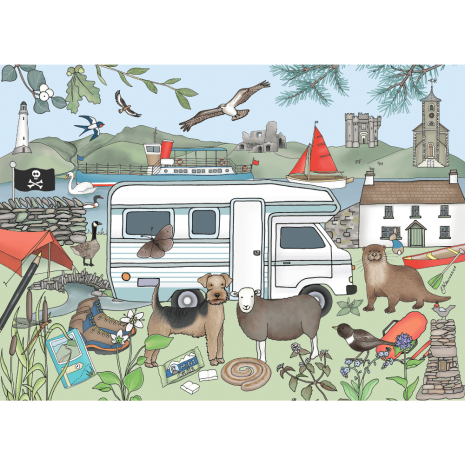
Our dementia puzzles feature extra-large pieces, appropriate imagery and manageable numbers of pieces, helping people take part without the activity feeling childish or unnecessarily frustrating.

How do dementia puzzles support memory?
Completing a jigsaw involves studying shapes, colours and details, then matching each piece to a wider picture. This can gently engage our visual recognition, attention and problem-solving skills.
Familiar scenes may also encourage them to reminisce, bringing back stories or associations connected with pets, gardens, village life or the home.
That memory prompt can be just as valuable as completing the puzzle. A picture of a dog might lead to a conversation about a much-loved pet. A classic transport scene may bring up memories of holidays, work or journeys from earlier life. These moments give family members and carers a natural starting point for connection.
The aim should always be enjoyment rather than testing memory. Avoid quizzing the person or correcting every mistake. Instead, respond to the memories and feelings the image brings forward.
Why can jigsaws improve focus and concentration?
A well-chosen jigsaw gives someone a clear goal. Sorting pieces, finding the edges and matching parts of an image can encourage someone to focus on the present moment for a manageable period.
For people who become overwhelmed by their surroundings, a simple puzzle can provide structure and a calmer pace. Repetitive hand movements and needing to maintain steady attention may feel soothing, particularly when the puzzle is completed in a quiet, familiar space.
The level of difficulty matters. A puzzle that is too complex may cause fatigue or frustration, while an accessible puzzle can build confidence. Start with fewer pieces and increase the challenge only when the person is comfortable and enjoying the activity.

The wider benefits to their wellbeing
Dementia can affect someone’s confidence as well as their memory and thinking. Finishing a puzzle, placing a difficult piece or recognising part of the picture can create a genuine sense of success.
Alzheimer’s Society notes that meaningful activities can help people retain skills, self-esteem, motivation and independence.One of the greatest benefits of puzzles is they can be done alone or with other people.
Remember, the best activity for someone with dementia is one that respects the person’s preferences, abilities and mood on that particular day. Some people will prefer to work independently, while others may enjoy support from a relative, activity coordinator or care worker.
What makes a puzzle dementia-friendly?
A suitable puzzle should be easy to handle, visually clear and age-appropriate. Large pieces are particularly helpful for people with limited dexterity, reduced fine motor skills or visual impairments. A clear reference image can make it easier to understand the finished scene and decide where each piece belongs.
Useful features include a low or moderate piece count, strong colour contrast, recognisable objects, familiar themes and a sturdy puzzle board. Uncluttered images can also make the activity easier to follow.
At The Family Puzzle Shop, our range of puzzles for people with dementia includes 12-piece, 24-piece and 40-piece options with extra-large pieces. Many are designed and manufactured in the UK using 100% recycled puzzle boards. The adult-friendly images include subjects such as cats, dogs, gardens, home life, transport and village scenes.
How should carers introduce a puzzle?
Choose a time when the person is rested and settled. Clear the table, reduce background noise and place the reference image where it can be seen easily. You might begin by turning all the pieces face up or finding one or two obvious sections together.
Offer encouragement without taking over. A prompt such as “Shall we look for the red pieces?” may be more supportive than giving a stream of instructions. If interest fades, stop and return another day. An unfinished puzzle is not a failure.
Explore our accessible dementia puzzles at The Family Puzzle Shop
We believe puzzles should bring people together. Our dementia-friendly jigsaws are chosen to provide an enjoyable balance of stimulation, accessibility and achievement for older adults, people living with Alzheimer’s disease or other forms of dementia, and those with limited motor skills or visual impairments.
Whether you are choosing a meaningful activity for a relative, planning sessions in a care home or looking for a thoughtful gift, our large-piece dementia puzzles offer a simple way to support focus, conversation and wellbeing, one piece at a time.
Check out our latest collection today. Or don’t hesitate to contact us for more information.